Manufacturing Logistics: Avoid Line Downtime Through Rapid Parts Delivery
December 15, 2025
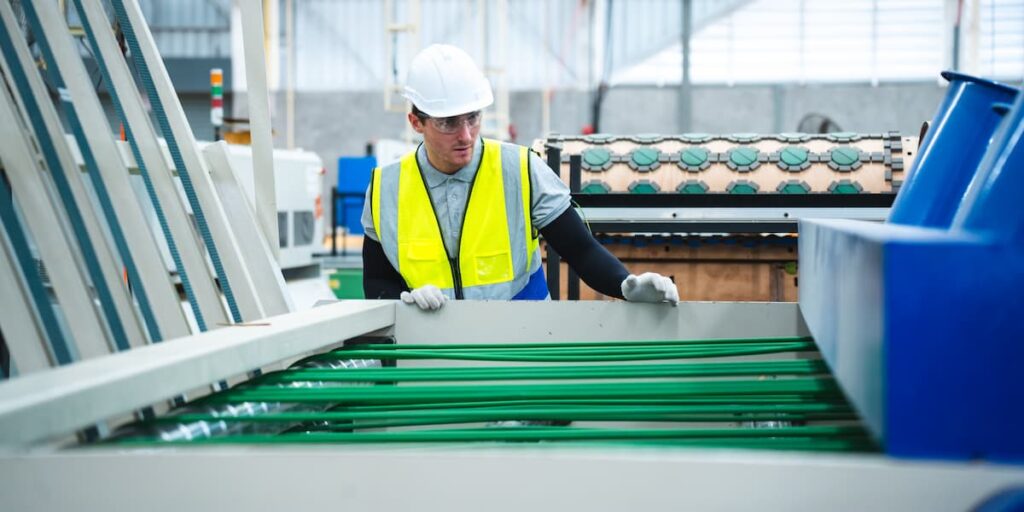
Manufacturing logistics is one of the most precision-critical disciplines in modern industry. Production lines depend on a smooth, uninterrupted flow of components, tools, consumables and equipment. When a single part fails to arrive on time, the impact can be immediate and severe. Lines slow or stop, technicians stand idle, scheduled orders fall behind and entire production plans must be reorganised. In industries where margins are tight and output targets are strict, even a short interruption can result in thousands of pounds in lost productivity.
This guide explores how manufacturing logistics operates, why downtime is so costly, the structural challenges within modern supply chains and the strategies that allow manufacturers to keep production running through rapid-response delivery and improved visibility.
Understanding the True Cost of Production Downtime
Downtime is among the most expensive failures a manufacturer can face. When an assembly line stops, the effects extend far beyond the immediate halt in production. Labour remains on the clock, energy continues to be consumed, delivery schedules slip and the entire day’s workflow may need to be reorganised.
The table below shows typical causes of downtime and the estimated financial impact.
Cost of Production Downtime
| Issue | Impact | Estimated Cost |
| Component shortage | Line stoppage | £10,000 to £20,000 per hour |
| Tooling failure | Reduced output | £5,000 to £8,000 per hour |
| Late delivery | Missed shipping deadlines | £500 to £2,000 per load |
| Quality control delay | Inspection backlog | £2,000 to £6,000 per hour |
These figures highlight why so many manufacturers are moving towards rapid-response logistics, tighter supplier coordination and real-time visibility tools. Any delay, even at a single workstation, can ripple through an entire production environment.
Common causes of delayed parts delivery and how to avoid them
Production delays caused by late replacement parts are rarely the result of a single failure. In most cases, downtime is extended by a combination of operational and logistical issues that compound under pressure.
One of the most common causes is reactive maintenance. When parts are only ordered after a failure occurs, valuable time is lost sourcing, picking and dispatching items before transport even begins. This is often made worse when critical components are held at the wrong regional hub or supplier location, requiring additional transfers before delivery can take place.
Standard logistics processes can also introduce delays through rigid collection schedules and limited flexibility. Missed cut-off times, delayed handovers between suppliers and couriers, and a lack of real-time visibility once parts are in transit can all add hours to a delivery that was expected to be urgent. In some cases, manufacturers are left waiting without clear updates, making it difficult to plan recovery work or allocate engineering resources effectively.
Avoiding these delays requires a logistics approach that is designed specifically for time-critical scenarios. This includes rapid collection from suppliers, direct routing to site, clear communication throughout the journey and the ability to adapt immediately if circumstances change. When logistics is aligned with maintenance and operations teams, downtime can be significantly reduced rather than prolonged by avoidable delivery issues.
The Complexity of Modern Manufacturing Supply Chains
Manufacturing supply chains are intricate networks involving suppliers, logistics providers and production teams working in synchronisation. A single product may rely on components from dozens of suppliers across several tiers. This complexity introduces both efficiency and fragility.
Modern supply chains typically include:
Tiered suppliers producing components, sub-assemblies or raw materials
Regional distribution centres that consolidate and sort incoming goods
International transport networks moving parts across borders
Compliance requirements that govern packing, labelling and storage
Production sequencing schedules that determine exactly when parts must arrive
The pressure to reduce costs has driven many manufacturers toward just-in-time and lean methodologies. While these approaches reduce inventory and improve cash flow, they also increase reliance on highly accurate, highly responsive logistics.
Why Just-in-Time Manufacturing Requires High-Performance Logistics
Just-in-time manufacturing succeeds only when parts arrive in the correct quantities, at the correct time and in the correct order. Any deviation forces production planners to either pause work or reorganise the sequence.
To support this model, logistics providers must offer:
Precise timing with narrow delivery windows
High reliability for mission-critical components
Real-time tracking so production teams can prepare
Rapid-response transport for unforeseen shortages
Seamless coordination with supplier output schedules
If a delivery is delayed or incomplete, manufacturers may have insufficient buffer stock to continue operations. This is why just-in-time can only function effectively with strong, dependable logistics behind it.
Common Causes of Delays in Manufacturing Logistics
Delays can arise from multiple points in the supply chain. Some are external, such as weather or congestion, but many are process-related and avoidable with the right systems.
Typical causes include:
Documentation errors that hold shipments at checkpoints
Supplier production overruns or machine failures
Road traffic, weather conditions or transport bottlenecks
Routing delays within multi-stop courier networks
Cargo damage requiring re-supply
Inaccurate forecasting that reduces available stock
Missing consumables or tooling that halt specific tasks
Quality control delays that slow batch release
Understanding these root causes allows manufacturers to build contingency plans, improve communication channels and strengthen supplier accountability.
The Role of Dedicated Same-Day Transport in Preventing Downtime
When production is at risk, dedicated same-day transport becomes essential. This model gives manufacturers a single vehicle carrying only their goods, travelling directly from collection point to factory without any intermediate stops.
Dedicated logistics is used when:
A production line is about to stop due to a missing component
A high-value part or sub-assembly must arrive urgently
A machine tool has failed and needs immediate replacement
A supplier cannot meet a scheduled delivery window
Time-sensitive samples must be transported for testing
By bypassing depots and avoiding mixed-load routing, dedicated transport ensures predictable arrival, minimal handling and maximum security.
Key benefits include:
Direct, non-stop transport from supplier to factory
Clear and reliable arrival times for production teams
Reduced risk of damage due to exclusive vehicle use
Live GPS tracking for full visibility
Accurate ETA updates to support planning decisions
This approach is particularly valuable in industries with high-output systems, such as automotive, aerospace, electronics or precision engineering.
Critical Items Commonly Moved Through Manufacturing Logistics
Manufacturing operations rely on a wide range of parts and materials that must arrive exactly when needed. These may include:
Tooling, calibration instruments and replacement machine components
Electronic assemblies, wiring looms or control modules
Mechanical parts such as pumps, motors or actuators
Packaging supplies needed for finished goods
Hydraulic or pneumatic units
Safety equipment for technicians
Consumables including adhesives, lubricants, fasteners or seals
The importance of each item is determined by its location within the production flow. A missing consumable can halt operations just as quickly as a missing high-value assembly.
Strengthening Supplier Performance and Reliability
Strong logistics performance requires equally strong supplier management. Manufacturers often rely on suppliers to meet tight production timelines, so any recurring delays must be investigated and addressed.
Effective supplier performance management includes:
Clear service level agreements specifying delivery windows
Regular benchmarking to assess reliability
Collaborative planning that aligns supplier output with production schedules
Root-cause analysis when delays occur
Joint improvement plans for recurring issues
With transparent communication and structured feedback, manufacturers and suppliers can work together to reduce risk and improve efficiency.
Best Practices for Minimising Production Downtime
Manufacturers can significantly reduce downtime by incorporating proactive planning and responsive logistics strategies into their operations. Best practices include:
Designing delivery windows that align with production sequencing
Using predictive analytics to forecast demand spikes or weaknesses
Documenting contingency actions for critical suppliers
Holding limited safety stock for ultra-critical items
Using same-day dedicated transport for urgent or high-risk parts
Implementing digital tracking tools with automated exception alerts
These measures help manufacturers anticipate disruptions, respond quickly and keep production running smoothly.
Case Example: Preventing Line Stoppages for a UK Manufacturer
A UK automotive component manufacturer suffered frequent line stoppages caused by late electronic assemblies arriving through multi-stop courier networks. These delays disrupted daily output, increased overtime costs and reduced overall productivity.
After transitioning to dedicated same-day logistics, the manufacturer achieved the following improvements:
On-time delivery performance reached 99.8 per cent
Line stoppages were significantly reduced
Daily production output increased by 7 per cent
Overtime and recovery labour costs dropped by 22 per cent
The shift demonstrated how rapid-response logistics and direct routing can protect production performance and maintain consistent throughput.
Final Thoughts for Manufacturing Leaders
Manufacturing logistics is central to operational stability. By focusing on rapid-response transport, deeper supplier integration, improved forecasting and real-time visibility tools, manufacturers can significantly reduce the risk of downtime.
A reliable logistics strategy not only protects daily productivity but also strengthens competitiveness, improves delivery performance and supports lean manufacturing principles.
With the right systems in place, manufacturers can maintain efficient, continuous production and respond quickly to unexpected changes within their supply chain.
Other News

Quickline Logistics Partners with North West Cancer Research
At Quickline Logistics, we believe being a successful business is about more than moving goods…

What Is the Difference Between Haulage and Freight Forwarding?
The terms haulage and freight forwarding are often confused in the transport industry, but they…

What Industries Rely Most on Haulage Companies?
Haulage is critical national infrastructure. Almost every product used, consumed, built, or sold in the…

Hello! Welcome to Quickline Logistics. How can I assist you today?