What Industries Rely Most on Haulage Companies?
February 12, 2026
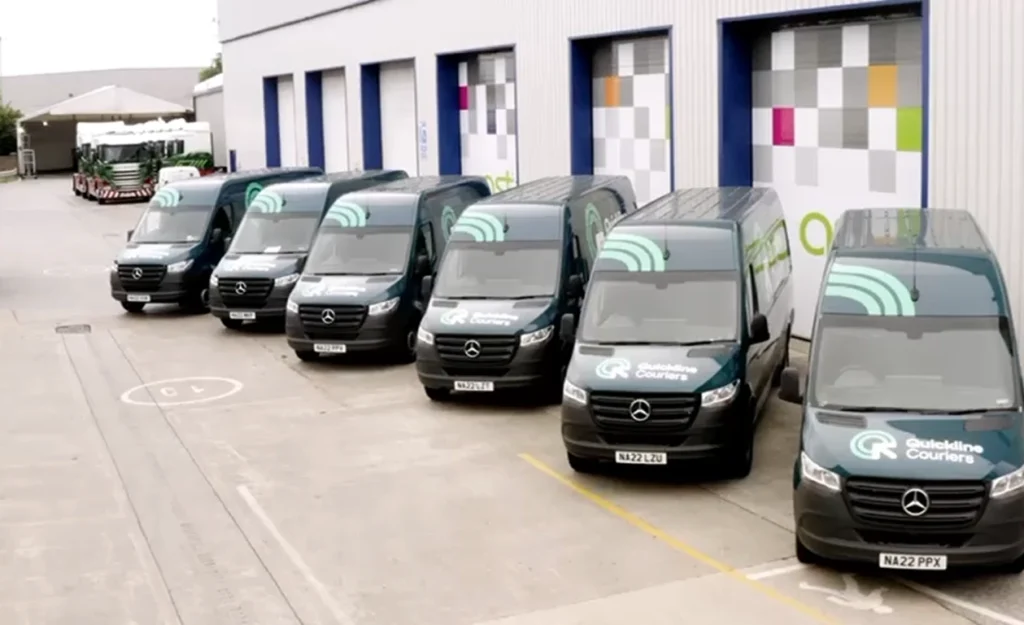
Haulage is critical national infrastructure. Almost every product used, consumed, built, or sold in the UK has travelled by road at some point in its journey. From construction materials delivered to building sites to food arriving at supermarkets, haulage companies form the backbone of UK supply chains. Without professional HGV transport, industries would face production stoppages, empty shelves, and delayed infrastructure projects.
At Quickline Logistics, we work across multiple sectors every day. Below, we explore the industries that rely most heavily on haulage companies and why specialist sector knowledge matters.
Why Haulage Is Critical to the UK Economy
The majority of domestic freight in the UK moves by road. Road haulage connects:
- Ports to inland distribution centres
- Factories to retailers
- Warehouses to construction sites
- Farms to food processors
- Manufacturers to export hubs
Modern supply chains operate on tight delivery windows and “just-in-time” inventory models. That means reliability, compliance, and planning are essential.
Professional road haulage services ensure goods move efficiently across the UK and into Europe, supporting time-sensitive and regulated supply chains alike.
Key Industries That Rely Most on Haulage Companies
Construction & Infrastructure
The construction industry is one of the most haulage-dependent sectors in the UK.
Why Construction Relies on Haulage
Construction projects require continuous movement of:
- Aggregates (sand, gravel, stone)
- Steel and structural materials
- Timber
- Concrete products
- Heavy machinery
- Site cabins and equipment
Delays in material delivery can halt entire projects, increasing costs and contractual penalties.
Types of Haulage Used
- Tipper vehicles for bulk materials
- Flatbed trailers for steel and oversized loads
- HIAB-equipped vehicles for site offloading
- Abnormal load transport for machinery
Regulatory Considerations
- FORS compliance for urban sites
- Weight restrictions and bridge limitations
- Construction Logistics Plans (CLPs)
- Site-specific health and safety requirements
Reliable construction haulage services are essential for infrastructure delivery across the UK.
Manufacturing
Manufacturing depends on road haulage at both the start and end of the production process.
Why Manufacturing Relies on Haulage
- Raw material deliveries
- Component transport between suppliers
- Just-in-time production models
- Distribution of finished goods
A single missed delivery can stop a production line, costing thousands of pounds per hour.
Typical Haulage Services
- Full load transport
- Pallet network distribution
- Dedicated contract transport
- Cross-border EU shipments
Manufacturers exporting to Europe also rely on integrated EU transport solutions and customs support to maintain supply continuity.
Compliance Factors
- Drivers’ hours regulations
- Delivery slot restrictions
- Site induction requirements
- Load security compliance
Industrial transport services must be punctual, compliant, and highly coordinated.
Retail & E-commerce
Retail and e-commerce are heavily dependent on fast, high-volume haulage operations.
Why Retail Relies on Haulage
- Store replenishment
- Distribution centre transfers
- Seasonal demand spikes
- Promotions and new product launches
Supermarkets and major retailers operate strict delivery schedules. Missed slots often result in penalty charges.
Types of Vehicles Used
- Curtain-sided HGVs
- Multi-drop delivery vehicles
- Double-deck trailers
- High-volume trunking vehicles
Retail haulage UK operations must also comply with urban regulations such as ULEZ and Clean Air Zones.
Without efficient transport services, shelves remain empty and online orders go undelivered.
Food & Beverage
The food and beverage industry relies on haulage more than almost any other sector due to the time-sensitive and perishable nature of products.
Why Food Distribution Depends on Haulage
- Daily supermarket deliveries
- Hospitality supply chains
- Fresh produce distribution
- Frozen goods transport
The UK’s food supply chain operates on extremely tight margins and timelines.
Specialist Haulage Requirements
- Temperature-controlled vehicles
- Refrigerated and frozen trailers
- Real-time temperature monitoring
- Rapid distribution networks
Compliance is critical, including:
- Food hygiene regulations
- Temperature control standards
- Full traceability
Professional food distribution haulage ensures goods arrive safely and within legal temperature parameters.
Agriculture
Agriculture is closely linked to haulage, particularly during seasonal peaks.
Why Agriculture Relies on Haulage
- Transporting harvested crops
- Delivering livestock feed
- Moving fertilisers and chemicals
- Supplying farm machinery
Rural supply chains depend on reliable bulk transport.
Types of Haulage
- Bulk trailers
- Agricultural equipment transport
- ADR transport for chemicals
Compliance Considerations
- Rural road weight limits
- ADR regulations for hazardous goods
- Seasonal demand planning
Without haulage, agricultural products would not reach food processors, retailers, or export markets.
Pharmaceuticals & Healthcare
Healthcare logistics requires precision, security, and compliance.
Why Healthcare Relies on Haulage
- Distribution of medical supplies
- Hospital equipment transport
- Vaccine and medicine delivery
- PPE and emergency supply distribution
Specialist Requirements
- Temperature-controlled vehicles
- Secure, sealed transport
- GDP (Good Distribution Practice) compliance
- Strict delivery documentation
Failure in pharmaceutical transport can have serious public health implications.
Industry Summary
| Industry | Why Haulage Is Essential | Typical Vehicle Type |
| Construction | Bulk material movement | Tippers, flatbeds |
| Manufacturing | Raw materials & finished goods | Curtain-sided HGVs |
| Retail | Store replenishment | Multi-drop vehicles |
| Food & Beverage | Perishable goods | Refrigerated trailers |
| Agriculture | Seasonal bulk transport | Bulk trailers |
| Energy | Infrastructure equipment | Specialist transport |
| Healthcare | Medical supplies | Temperature-controlled HGVs |
This table clearly demonstrates how widespread reliance on haulage services is across the UK economy.
Why Industry-Specific Knowledge Matters
Different industries have different operational and compliance demands. A one-size-fits-all transport solution rarely works effectively.
Sector-specific considerations include:
- Delivery window penalties
- Site access restrictions
- Safety accreditation requirements
- Customs documentation
- Load security standards
- ADR handling
An experienced haulage partner understands these nuances and builds transport plans accordingly.
At Quickline Logistics, we tailor our road haulage services and sector-specific solutions to meet the operational realities of each industry we serve.
The Risks of Choosing the Wrong Haulage Partner
Selecting an inexperienced or non-compliant haulier can lead to:
- Missed delivery slots
- Regulatory penalties
- Operator Licence breaches
- Damaged goods
- Supply chain disruption
- Reputational damage
Given the strict oversight from DVSA and the Traffic Commissioner, compliance is not optional, it is fundamental.
Professional haulage companies must demonstrate robust vehicle maintenance systems, compliant drivers’ hours management, and proper operator licensing.
Why It Matters for Your Business
Nearly every industry in the UK relies on professional road transport. Whether moving building materials, finished products, or temperature-sensitive goods, haulage companies keep supply chains functioning.
Choosing a transport partner with cross-sector experience ensures:
- Compliance with UK and EU regulations
- Reliable, on-time delivery
- Reduced operational risk
- Better supply chain visibility
At Quickline Logistics, we support a broad range of industries with compliant, efficient, and reliable haulage solutions.
If your sector depends on road transport (and most do) speak to our team about how we can support your supply chain.
Frequently Asked Questions
What industries use haulage companies the most?
Construction, manufacturing, retail, food and beverage, agriculture, energy, and healthcare are among the most haulage-dependent sectors in the UK.
Why is haulage important for construction?
Construction requires constant delivery of heavy and bulk materials. Delays can halt projects and increase costs significantly.
How does haulage support retail supply chains?
Haulage ensures regular store replenishment, distribution centre transfers, and timely seasonal stock movement.
What type of haulage does the food industry require?
The food industry typically requires temperature-controlled transport with strict compliance to hygiene and traceability standards.
Can haulage companies transport hazardous goods?
Yes, provided they hold the appropriate ADR certification and comply with dangerous goods regulations.
Other News
Quickline Logistics Partners with North West Cancer Research
At Quickline Logistics, we believe being a successful business is about more than moving goods…
What Is the Difference Between Haulage and Freight Forwarding?
The terms haulage and freight forwarding are often confused in the transport industry, but they…
Rapid Stock Replenishment and On-Time Delivery for Retail
Retail is one of the fastest-moving sectors in the supply chain, shaped by customer expectations,…

Hello! Welcome to Quickline Logistics. How can I assist you today?