What is the Difference Between Haulage and Logistics?
September 4, 2025
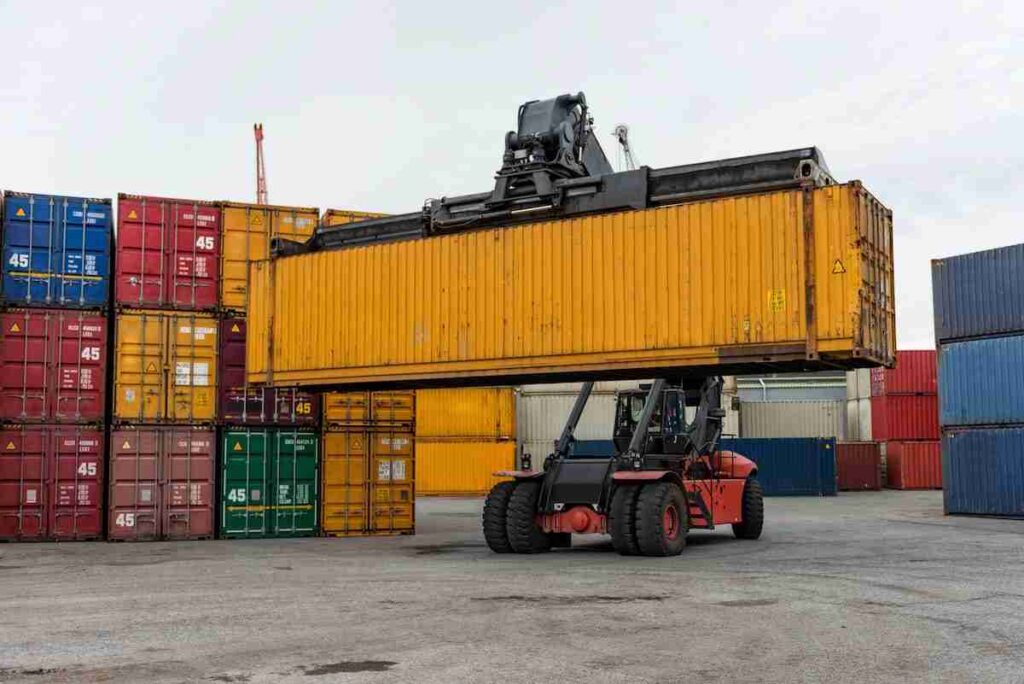
Whether it’s bricks for a new build, pallets of fresh produce, or heavy-duty machinery heading to a worksite, haulage is the silent force powering industry across the UK and Europe.
It plays a vital role in connecting manufacturers, suppliers, and retailers with the materials and goods they need to operate efficiently. But what exactly is haulage, and how does it differ from logistics? In this expert overview, we’ll break down what makes a good haulage service, explore its many forms, and highlight how it keeps the economy moving.
What is Haulage? A Clear Definition
At its core, haulage is the commercial transport of goods by road or rail. It involves moving large quantities of materials or products from one location to another, typically using heavy goods vehicles (HGVs), lorries, or articulated trucks.
Haulage is the lifeblood of many sectors, from retail and construction to manufacturing and agriculture. If your business depends on timely deliveries of bulk items, raw materials, or machinery, haulage is the service doing the heavy lifting (literally). You can read our related article defining professional haulage services in full.
Common Types of Goods Transported by Haulage
| Goods Type | Typical Clients | Transport Method |
| Construction Materials | Builders, Developers | Flatbed Lorries |
| Food & Beverages | Supermarkets, Wholesalers | Refrigerated Vehicles |
| Palletised Goods | SMEs, Manufacturers | Box Trailers |
| Industrial Machinery | Engineering Firms | Low Loaders |
As you can see, the haulage industry covers a wide range of goods, each with specific handling, safety, and compliance requirements.
Different Types of Haulage Services
Haulage isn’t one-size-fits-all. Depending on your cargo, you may need a specialist provider. Here are the main types of haulage services available:
General Haulage – Transporting palletised or packaged goods using standard HGVs.
Heavy Haulage – Moving oversized or overweight items like construction equipment or turbines.
Refrigerated Haulage – Ideal for temperature-sensitive goods like food, pharmaceuticals, or flowers.
Bulk Haulage – For loose goods (liquids, powders, grains) often using tipper trucks or tankers.
What to Consider When Choosing a Haulage Provider:
- The nature of your goods – are they perishable, hazardous, or oversized?
- Required delivery timescales – standard or same-day?
- Distance of transport – local, national or international?
- Compliance with legal and safety requirements
- The provider’s track record and reliability
Choosing the right provider isn’t just about price, it’s about peace of mind.
What is the Difference Between Haulage and Logistics?
These two terms are often used interchangeably, but they refer to different aspects of the supply chain.
Haulage refers specifically to the physical act of transporting goods, typically by road. It’s a key part of logistics, but it only covers one stage of the journey.
Logistics is a much broader discipline. It includes planning, inventory management, warehousing, packaging, tracking, and final delivery. In short, logistics is the brain, and haulage is the muscle.
Haulage vs Logistics: Key Differences
| Aspect | Haulage | Logistics |
| Function | Transporting goods by road/rail | Coordinating entire supply chains |
| Involves | Vehicles, drivers, routing | Planning, storage, systems, fulfilment |
| Scope | Local, national, international delivery | End-to-end movement and management of goods |
| Role in supply chain | Tactical (execution) | Strategic (planning + execution) |
“Haulage gets your goods from A to B. Logistics ensures it’s the right goods, at the right time, by the right method.”
Key Regulations in UK & European Haulage
Moving goods professionally requires strict compliance. Reputable haulage companies in the UK and Europe must follow a host of rules designed to keep roads safe and operations efficient:
- Operator’s Licence – All haulage companies must hold a valid licence.
- HGV Licensing – Drivers need the correct commercial licence and CPC qualification.
- Insurance – Goods in Transit (GIT) and Public Liability are essential.
- ADR Certification – Mandatory for transporting hazardous materials.
- Post-Brexit Compliance – Customs declarations, cabotage limits, and route restrictions for European journeys.
Quick Checklist: What a Trusted Haulage Provider Should Have
- Valid Operator’s Licence
- Fully insured for cargo and liability
- Regularly serviced fleet
- Driver CPC training records
- ADR/GDP compliance (if relevant)
- Real-time vehicle tracking
The Role of Haulage in the Logistics Supply Chain
Haulage plays a critical role in keeping logistical supply chains moving. Without reliable road transport, retailers couldn’t restock, manufacturers couldn’t produce, and construction sites would grind to a halt.Some key industries dependent on haulage include:
- Construction – Regular site deliveries of heavy materials.
- Retail & E-commerce – Restocking goods to meet consumer demand.
- Manufacturing – Just-in-time delivery of parts and raw materials.
- Events & Exhibitions – Timely transport of AV, stands, and promotional materials.
Real-World Example:
A client in the construction sector contacts Quickline Couriers for a last-minute delivery of steel supports to a Liverpool site. Within hours, a flatbed lorry is dispatched and arrives on-site, keeping the build on track.
Why Choose Quickline for Haulage Services?
At Quickline, we offer more than just transport, we offer reliable haulage solutions. Based in Liverpool and serving clients nationwide, our experienced haulage team understands the pressures of tight deadlines and the importance of secure, on-time delivery.
With us, you’ll benefit from:
- A modern, GPS-tracked fleet of vehicles
- Same day and next day delivery options
- ADR-trained drivers and full compliance
- Full European haulage capability
- Transparent pricing and tailored service packages
Whether it’s a single pallet or a full artic load, we’re here to deliver.
Know Your Haulage & Logistics, Empower Your Business
Understanding the fundamentals of haulage (and how it fits into the wider logistics picture) can help your business operate more efficiently, reduce delays, and save on costs. With haulage underpinning everything from construction to commerce, choosing the right partner is more important than ever. We can help you with both your haulage needs and wider logistics planning, so let’s start a conversation!
Other News
Quickline Logistics Partners with North West Cancer Research
At Quickline Logistics, we believe being a successful business is about more than moving goods…
What Is the Difference Between Haulage and Freight Forwarding?
The terms haulage and freight forwarding are often confused in the transport industry, but they…

What Industries Rely Most on Haulage Companies?
Haulage is critical national infrastructure. Almost every product used, consumed, built, or sold in the…

Hello! Welcome to Quickline Logistics. How can I assist you today?