Food & Agriculture Logistics: How to Ensure Freshness with Temperature-Controlled Delivery
December 15, 2025
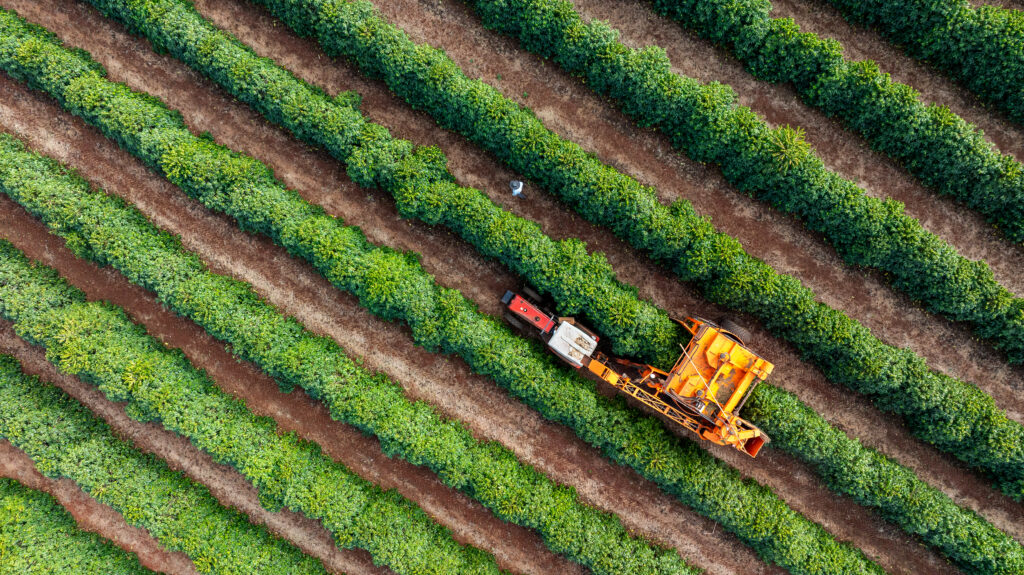
Food and agriculture logistics operate within one of the most time-critical and quality-sensitive sectors of the supply chain. The success of these operations depends on the precise movement of perishable goods from farms, processors and suppliers to wholesalers, retailers and foodservice businesses. Freshness, safety, traceability and temperature integrity are the primary factors that determine whether food remains fit for consumption. Even minor deviations in handling or temperature control can shorten shelf life, reduce market value or result in complete product loss.
From fresh produce and dairy to frozen goods, meat, grains, beverages and horticultural items, every category of food requires careful planning and specialised logistics processes. This guide provides a detailed explanation of the challenges within food logistics, the importance of temperature-controlled transport, the principles of cold-chain integrity and the operational practices needed to protect product quality.
Why Temperature-Controlled Transport Matters
Perishable food deteriorates quickly when exposed to incorrect temperatures. Temperature fluctuations accelerate chemical and biological changes that affect taste, appearance and safety. A brief rise in temperature may reduce shelf life by days, while prolonged exposure can encourage bacterial growth or render food unsuitable for sale.
Cold-chain stability ensures that food remains within its required temperature band from the moment it is harvested or processed until it reaches its destination. Maintaining these conditions is essential not only for product quality but also for regulatory compliance, particularly within the UK’s food safety framework.
Typical Temperature Requirements Across Food Categories
Different food categories require different temperature ranges. Maintaining these ranges consistently is crucial for preserving freshness, texture and safety.
| Product Type | Required Temperature | Notes |
| Fresh produce | 0°C to 5°C | Prevents spoilage and reduces moisture loss |
| Dairy | 1°C to 4°C | Critical for preventing bacterial growth |
| Frozen goods | –18°C or lower | Maintains product structure and safety |
| Meat and poultry | 0°C to 2°C | Strict regulatory compliance required |
| Prepared foods | 1°C to 5°C | Highly perishable, limited shelf life |
Failure to maintain these temperatures can lead to spoilage, foodborne illness risks or regulatory actions.
Core Challenges in Food and Agriculture Logistics
Food logistics is shaped by unique pressures that set it apart from other forms of transport. These challenges require specific operational strategies to manage effectively.
1. Temperature Sensitivity
Most food products deteriorate rapidly outside controlled temperature conditions. This sensitivity necessitates insulated or refrigerated vehicles, real-time monitoring systems and handling processes that minimise exposure.
2. Short Shelf Life
Delays have an immediate impact on the commercial value of food. A shipment that arrives even a few hours late may lose saleable days, reducing retail viability and increasing waste.
3. High Regulatory Standards
Food safety regulations govern every stage of the supply chain. Operators must follow strict hygiene guidelines, maintain accurate temperature records and provide documentation for audits and inspections.
4. Seasonal Demand Fluctuations
Periods such as summer, Christmas and agricultural harvest seasons can place intense pressure on carriers and require additional transport capacity.
5. Handling and Packaging Requirements
Certain categories, such as berries, leafy greens and soft fruit, bruise easily and require gentle, low-impact handling. Others, like meat and poultry, require full hygienic containment. Horticultural goods often need humidity control or ventilation.
The Role of Dedicated Same-Day Delivery in Food Logistics
Dedicated same-day logistics reduces the risk associated with multi-stop or depot-based transport networks. Because food degradation can begin quickly, especially with fresh or chilled goods, direct transport offers a more controlled and predictable journey.
Benefits of dedicated same-day delivery include:
- Direct routing from farm or supplier to processor, wholesaler or retailer
- Faster delivery times that protect freshness and extend shelf life
- Lower handling frequency, reducing bruising or contamination risk
- Greater traceability due to simplified routing
- Reduced likelihood of cold-chain breaks
By eliminating depot stops, the cold chain remains more stable and product integrity is better preserved.
Preventing Contamination in Food Transport
Cross-contamination is one of the most significant risks in food logistics. Poor hygiene or improper segregation can lead to serious safety issues, including widespread product recalls.
Preventative measures typically include:
- Segregating raw and ready-to-eat goods
- Using dedicated food-grade vehicles
- Regular vehicle cleaning and sanitisation schedules
- Sealed packaging to protect against airborne contamination
- Controlled loading and unloading processes
Failing to maintain rigorous hygiene protocols can damage brand reputation and trigger costly regulatory action.
Optimising the Cold Chain
A strong cold-chain strategy ensures that temperature consistency is maintained from origin to destination. Breaks in the cold chain can occur during loading, unloading or when vehicle doors remain open longer than necessary.
Best practices include:
- Using pre-chilled vehicles before loading
- Placing digital sensors and temperature probes throughout cargo areas
- Using calibrated thermometers for accuracy
- Installing automated alerts for temperature deviations
- Minimising door openings during transit
- Using insulated containers for smaller or highly sensitive loads
These measures ensure cold-chain consistency even during peak periods or long-distance deliveries.
Traceability and Compliance Requirements
Traceability is essential within food logistics to support recalls, audits and regulatory inspections. Food businesses must be able to track the origin, handling conditions and movement of goods at every stage.
Documentation typically includes:
- Batch and lot numbers
- Temperature logs for each stage of transit
- Details of product origin or harvest
- Vehicle and equipment sanitation records
- Delivery timestamps and proof of receipt
Digitising these records improves accuracy, speeds up compliance processes and reduces administrative workload.
Special Handling Requirements Across Food Categories
Different food categories require tailored logistics methods to preserve quality:
Fresh Produce
Requires adequate airflow, careful stacking, humidity control and protection from compression damage.
Dairy
Needs excellent temperature stability, rapid unloading and hygienic handling to prevent bacterial growth.
Meat and Poultry
Demands fully sanitised containers, strict temperature adherence and full documentation for food safety compliance.
Horticulture
Often requires ventilation, stable temperatures, low-impact handling and protection from crushing
Case Study: Reducing Produce Waste Through Dedicated Transport
A major UK produce supplier experienced high levels of spoilage due to slow, multi-stop transport networks. Delays caused produce to lose freshness and arrive with reduced shelf life. After switching to dedicated same-day delivery, the supplier achieved a 37 per cent reduction in spoilage and a 28 per cent increase in usable shelf-life days. Delivery windows became more predictable, improving relationships with retailers and reducing waste significantly.
Take Away Thoughts for the Food Industry
Food and agriculture logistics rely on fast, predictable and tightly temperature-controlled delivery processes. Through the use of dedicated vehicles, digital monitoring systems, robust hygiene practices and strong cold-chain management, suppliers can dramatically reduce spoilage, improve product freshness and protect brand reputation.
Organisations that prioritise temperature integrity and traceability not only meet regulatory standards but also enhance operational efficiency and support long-term sustainability goals.
Other News
Quickline Logistics Partners with North West Cancer Research
At Quickline Logistics, we believe being a successful business is about more than moving goods…
What Is the Difference Between Haulage and Freight Forwarding?
The terms haulage and freight forwarding are often confused in the transport industry, but they…

What Industries Rely Most on Haulage Companies?
Haulage is critical national infrastructure. Almost every product used, consumed, built, or sold in the…

Hello! Welcome to Quickline Logistics. How can I assist you today?