How to Keep Kitchens, Hotels and Venues Running Smoothly
December 15, 2025
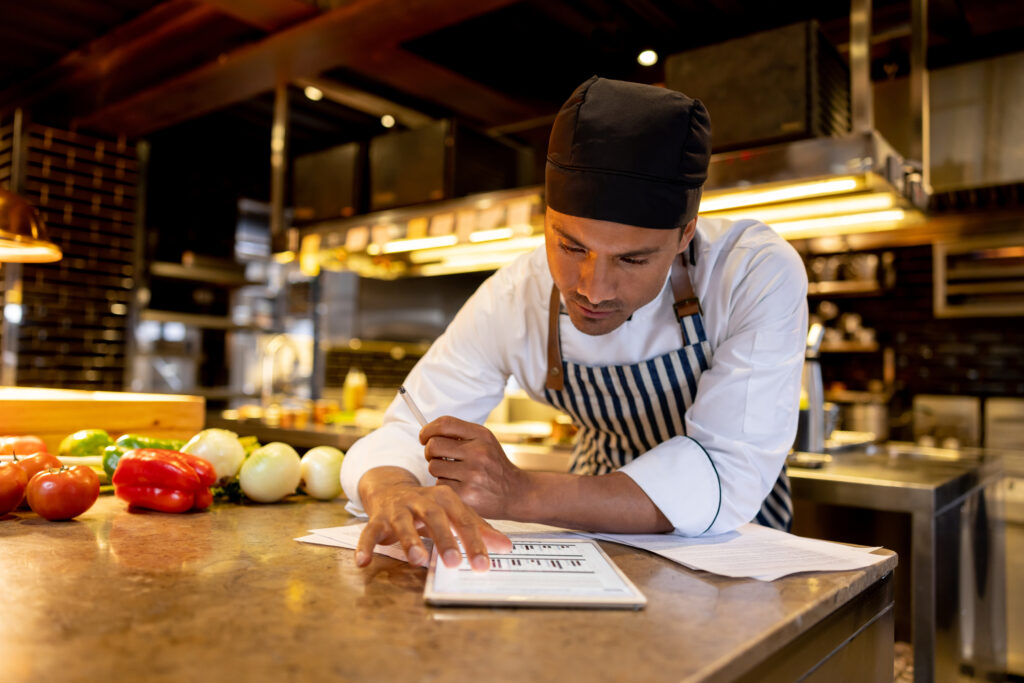
Hospitality & supply chain logistics play a critical role in the day-to-day operation of hotels, restaurants, event venues, leisure facilities and catering providers. These environments depend on the reliable and timely delivery of food, beverages, linens, cleaning supplies, consumables, equipment and maintenance materials. Because hospitality is a service-led industry with constant customer interaction, even small delays can disrupt service quality, reduce guest satisfaction and create operational inefficiencies across departments.
This guide explores how hospitality logistics works, the challenges unique to service environments, the importance of rapid replenishment and the growing role of dedicated same-day services in maintaining seamless operations.
The Nature of Hospitality Supply Chains
Hospitality supply chains operate on a predictable and highly repetitive rhythm. Unlike sectors that work around fixed production schedules, hospitality environments run seven days a week and often around the clock. Kitchens must receive fresh ingredients daily. Housekeeping teams depend on regular linen rotation to prepare rooms for guest arrivals. Facilities teams require continuous access to cleaning supplies and chemicals to maintain hygiene standards. Maintenance departments need reliable access to equipment and spare parts to keep essential systems functioning.
Most of these goods must align precisely with service peaks. Fresh produce must arrive early in the morning so chefs can prepare menus before service begins. Linen must arrive before room attendants begin daily turnover. Bar supplies and beverages need to be replenished before evening rush periods. Every category of goods has its own delivery window, and missing that window can disrupt operational workflows for the remainder of the day.
The Cost Impact of Delays in Hospitality
Logistics delays have immediate and often costly consequences for hospitality businesses. The table below outlines typical delay types and their commercial impact.
Cost Impact of Delays
| Hospitality Item | Impact | Estimated Cost |
| Food delivery delay | Kitchen service disruption | £500 to £5,000 per hour |
| Linen delivery failure | Room turnaround backlog | £1,000 to £8,000 per day |
| Equipment delay | Service outage | £500 to £2,000 per incident |
| Cleaning supply shortage | Hygiene compliance risk | £200 to £2,000 per incident |
Because hospitality services operate at high intensity and rely on tight preparation windows, delays quickly escalate into lost revenue, increased labour pressure and a compromised guest experience.
Critical parts and equipment that keep hospitality operations running
Hospitality environments rely on a wide range of specialist equipment to deliver consistent service, maintain safety standards and protect guest experience. Commercial kitchens, hotels and venues operate at high intensity, often for long hours, which means even minor component failures can quickly escalate into major operational issues.
In professional kitchens, equipment such as refrigeration units, combi ovens, fryers, extraction systems and dishwashers are all mission-critical. A failed thermostat, control board or fan motor can result in food being taken out of service, reduced menu availability or complete kitchen shutdowns. In hotels and venues, boiler systems, HVAC units, laundry equipment and access control systems play a direct role in guest comfort and safety. When these systems fail, the impact is immediate and highly visible.
Unlike general commercial environments, hospitality operations cannot simply pause until parts arrive. Service schedules, bookings and events continue regardless, which means replacement parts often need to be sourced and delivered within hours rather than days. Rapid access to specialist components allows engineers to carry out repairs quickly, limit disruption and keep operations running smoothly during peak service periods.
Targeted logistics support is particularly important where parts are not held on site due to space constraints or cost considerations. By enabling fast collection from suppliers and direct delivery to kitchens, hotels or venues, logistics becomes a critical enabler of uptime rather than a reactive afterthought.
Food and Beverage Logistics: Supporting Kitchens and Bars
Food and beverage operations form the foundation of many hospitality businesses. Restaurants require daily deliveries of fresh produce, meats, dairy, bakery items and dry goods. Bars rely on regular replenishment of kegs, spirits, soft drinks and glassware. Banqueting and catering operations often need bulk deliveries for large events.
Effective food and beverage logistics requires:
Temperature-controlled delivery to maintain product safety
Segregated handling of raw and ready-to-eat goods
Strict hygiene protocols throughout transport
Rapid unloading to protect freshness and food quality
Hotels and restaurants rely heavily on early-morning deliveries so chefs can begin preparation long before service opens. Any delay has a direct impact on menu execution and kitchen efficiency.
Linen and Laundry Logistics: Keeping Rooms Guest-Ready
Linen logistics is central to hotel operations. Housekeeping teams require large quantities of towels, bedding, robes and table linens to prepare rooms and service hospitality areas. Many hotels operate with limited onsite storage, making daily or multi-day rotations essential.
Linen logistics must provide:
Predictable turnaround times from laundry providers
Sufficient stock levels to support full occupancy
Reliable scheduling to match check-out and check-in windows
Late linen deliveries can create room-cleaning backlogs, delay check-ins and reduce guest satisfaction. For larger hotels and resorts, even a slight delay can have a significant operational impact.
Cleaning and Hygiene Supply Logistics: Maintaining Standards
Hygiene compliance is a non-negotiable requirement in hospitality. Facilities teams rely on disinfectants, detergents, sanitising products and specialist chemicals to maintain cleanliness across guest rooms, kitchens, leisure areas and public spaces.
Without timely replenishment of these materials, businesses risk hygiene breaches, regulatory non-compliance and reputational damage. Reliable logistics ensures that essential cleaning supplies are available at all times to support both routine operations and deep-clean requirements.
Equipment and Maintenance Logistics: Protecting Operational Continuity
Hospitality venues depend on a wide range of equipment to deliver consistent service, including HVAC systems, refrigeration units, dishwashers, lifts, boilers, lighting systems and catering machinery. When these systems fail, operations can be disrupted immediately.
Rapid-response logistics supports maintenance teams by ensuring:
Fast delivery of replacement parts
Access to specialised equipment or tools
Reduced downtime in essential systems
Lower risk of service disruption during peak periods
A single delayed part can impact entire departments, from kitchen operations to guest-room comfort.
Event and Banqueting Logistics: Ensuring Precision for Time-Critical Setups
Event venues and hotels host conferences, weddings, galas, corporate meetings and exhibitions. These events operate on strict timelines and require the coordinated movement of furniture, décor, staging and AV equipment.
Effective event logistics support the timely delivery of:
Tables, chairs and layout equipment
Staging platforms and lighting rigs
Audio-visual systems
Décor items and floral arrangements
Catering equipment and supplies
Late deliveries jeopardise event readiness, reduce setup time and put guest experience at risk. Because events often involve multiple suppliers, reliable logistics coordination is essential.
Why Dedicated Same-Day Transport Is Essential for Hospitality
General courier networks introduce too much unpredictability for most hospitality environments. Multi-stop routes, depot handling and variable arrival times create unacceptable risk for operations that depend on precision.
Dedicated same-day transport provides:
Predictable arrival times aligned with service windows
Reduced damage risk due to exclusive vehicle use
Temperature-controlled options for food and beverage deliveries
Faster response to urgent requirements such as equipment breakdowns
Greater hygiene compliance with controlled handling processes
This level of reliability allows hospitality teams to plan confidently and maintain consistent service standards across all departments.
Case Study: Improving Operational Continuity for a UK Hotel Group
A large UK hotel group experienced inconsistent performance from multi-stop courier networks, leading to frequent linen shortages, delayed kitchen prep and increased room turnaround pressure. After switching to dedicated same-day logistics, the group achieved a 94 per cent reduction in linen shortages, significantly improved kitchen readiness and saw fewer guest service delays during peak periods. This transition strengthened overall operational stability and reduced staff stress during busy occupancy cycles.
Regulatory and safety standards affecting hospitality operations
Hospitality businesses operate within a strict regulatory framework designed to protect food safety, staff welfare and guest wellbeing. Equipment reliability is closely linked to compliance, making timely maintenance and repairs essential rather than optional.
Food preparation environments are governed by food safety and hygiene legislation that requires refrigeration, cooking and storage equipment to operate within safe temperature ranges at all times. Failures in fridges, freezers or hot holding equipment can lead to food being deemed unsafe, resulting in waste, service disruption or enforcement action. Rapid replacement of faulty components helps businesses maintain compliance and avoid unnecessary closures.
Health and safety legislation also places a duty on employers to maintain safe working environments for staff and visitors. Ventilation and extraction systems must operate effectively to remove heat, smoke and fumes from commercial kitchens, while electrical equipment must be kept in safe working order to prevent hazards. Delays in sourcing replacement parts can extend exposure to risk and increase the likelihood of incidents.
Gas-powered appliances and electrical systems are subject to additional safety requirements, particularly in kitchens and plant rooms. Repairs and maintenance must be carried out promptly by qualified professionals, often within defined compliance windows. Having critical parts delivered quickly supports these obligations and reduces the risk of equipment being taken out of service for extended periods.
By aligning logistics planning with regulatory requirements, hospitality operators can protect compliance, safeguard guests and staff and maintain consistent service delivery, even when unexpected equipment failures occur.
Take Away Thoughts for the Hospitality Industry
Hospitality logistics is fundamental to delivering excellent guest experiences. Reliable, precise and compliant deliveries ensure that kitchens stay stocked, rooms remain guest-ready and events run smoothly. With dedicated same-day transport, structured scheduling and improved supply chain visibility, hospitality businesses can maintain strong operational continuity, safeguard brand reputation and consistently meet the rising expectations of guests and clients.
Other News

Quickline Logistics Partners with North West Cancer Research
At Quickline Logistics, we believe being a successful business is about more than moving goods…
What Is the Difference Between Haulage and Freight Forwarding?
The terms haulage and freight forwarding are often confused in the transport industry, but they…

What Industries Rely Most on Haulage Companies?
Haulage is critical national infrastructure. Almost every product used, consumed, built, or sold in the…

Hello! Welcome to Quickline Logistics. How can I assist you today?