Media and Production Logistics: Moving Equipment & Assets Without Delay
December 15, 2025
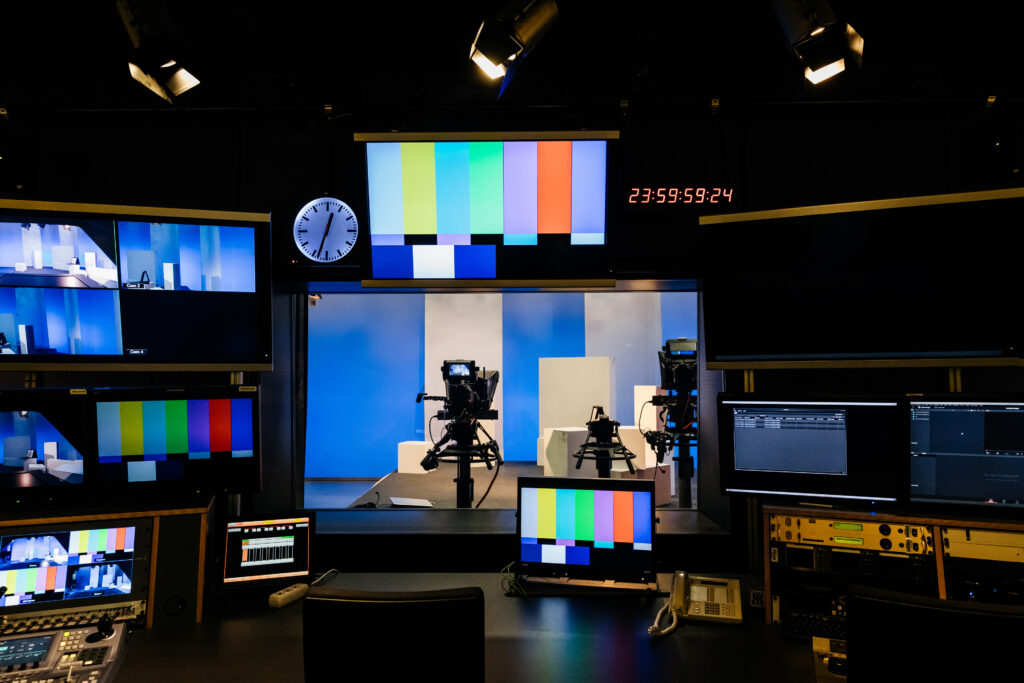
Media and production logistics operate in one of the most time-critical environments of any industry. Creative teams, technical crews, studio operators and post-production departments rely on a seamless, uninterrupted flow of equipment, digital assets, props and production materials. Delays, even by minutes, can halt filming progress, trigger expensive studio overruns or push editing schedules dangerously close to broadcast deadlines. When production windows are tight and daily shooting costs are high, precision logistics become indispensable.
This guide provides a comprehensive overview of media and production logistics, explaining how equipment, hard drives, fragile materials and valuable production assets are transported safely and on schedule. It also explores why dedicated same-day transport is essential for maintaining continuity in fast-moving production environments.
Why Media Production Depends on Precise Logistics
Media productions are orchestrated around highly structured schedules. Call times for cast and crew dictate when the production day begins. Lighting and sound departments require specific windows to build rigs, run cables and test systems. Locations may only be accessible for restricted time periods due to permits, local regulations or environmental limitations. Studios operate on back-to-back bookings, where a delay for one production can affect the next.
Filming also produces large volumes of footage that must be transferred daily to post-production teams. Editors, colourists and VFX departments depend on timely access to rushes to maintain workflow efficiency. A single late drive can create bottlenecks that delay entire episodes or campaigns.
Because so many departments depend on each other in sequence, media operations have very little margin for logistical error.
What Media Productions Depend On
Production teams rely on an extensive range of equipment and materials, all of which must arrive intact and ready for immediate use. This commonly includes:
Camera bodies, lenses, stabilisers and specialist rigs
Lighting fixtures, grip equipment and power distribution systems
Audio mixers, microphones, boom kits and monitoring gear
Wardrobe, hair and makeup supplies
Props, set dressings and design materials
Green screens, VFX elements and set extensions
Hard drives, SSDs and media cards containing digital footage
Each item plays a crucial role in maintaining the production schedule. A missing lens may stop a shot from being captured. A late lighting rig can delay the entire setup. A missing wardrobe element may force scene re-ordering or continuity adjustments. Everything must be delivered with full reliability and in pristine condition.
The Operational Impact of Delays in Media Logistics
Delays have immediate and often costly consequences in media environments. Equipment that arrives late pushes shooting schedules back, causing crew downtime and escalating location fees. Drives that are delivered after expected handover times delay the start of editing, colour grading or VFX processing, compressing deadlines and increasing overtime costs. Wardrobe or set materials that arrive late disrupt scene preparation, force rescheduling or require creative compromises.
The table below summarises how specific delays influence production:
Impact of Logistics Delays in Media Production
| Requirement | Impact |
| Equipment delivery | Delayed shooting schedule |
| Drive transport | Editing delays and workflow bottlenecks |
| Wardrobe arrival | Postponed scene setup |
| Lighting rig arrival | Incomplete shot preparation |
| Set materials transport | Rescheduled takes or blocking changes |
Film, TV and advertising budgets are highly sensitive to time, making logistics performance a direct factor in cost control and creative output.
Why Standard Couriers Are Not Suitable for Media Logistics
General parcel carriers operate through depot-based networks that involve multiple handling stages, automated sorting and unpredictable routing. While suitable for conventional parcels, these networks are incompatible with the precision and fragility required in media operations.
Key limitations include:
High risk of misrouting or misdelivery
Multiple handling points that increase the risk of equipment damage
Variable arrival times influenced by depot congestion
No guarantees on exact delivery windows
Lack of specialist handling knowledge
No chain-of-custody control for unreleased or confidential footage
Production equipment is expensive, fragile and often hired on strict schedules. Footage is both sensitive and irreplaceable. Standard networks cannot offer the controlled, predictable transport environment required.
Digital Asset Transport: Why Physical Delivery Still Matters
Although cloud-based file transfer is increasingly common, physical delivery of hard drives and SSDs remains the industry standard for many productions. High-resolution media formats such as 4K, 6K and 8K RAW generate substantial file sizes that are often impractical to upload within tight deadlines or from remote filming locations with limited bandwidth.
Physical transport supports:
High-volume raw footage
Colour grading and finishing files
Audio stems and isolated recordings
Daily rushes for editorial review
VFX plates requiring rapid turnover
Direct drive delivery ensures speed, security and full chain of custody, making it the most reliable method for transferring time-critical digital assets.
Secure Handling Requirements for Media Assets
Security is a priority for media productions, particularly those involving unreleased films, TV episodes, commercial campaigns or confidential footage. Preventing leaks, tampering or loss is essential.
Secure logistics typically involves:
Sealed, tamper-evident packaging
Identity-verified pickups and deliveries
Direct, non-stop routing
Full chain-of-custody records
Discreet handling to avoid revealing unreleased content
With streaming platforms, broadcasters and studios facing increasing risks related to piracy and content leaks, accountability and security in transport are more important than ever.
Special Handling Requirements for Fragile Production Equipment
Camera rigs, lighting fixtures and audio equipment are sensitive to shock, vibration, humidity and temperature fluctuation. Even minor mishandling can cause costly damage or calibration issues.
Best practice handling includes:
Custom protective casing for all equipment
Vibration-resistant packaging and padding
Secure strapping and stabilisation inside the vehicle
Positioning heavy items low and centred to reduce movement
Avoiding exposure to moisture or extreme temperatures
Experienced media couriers understand how to transport this equipment safely and with minimal risk.
How Dedicated Same-Day Transport Supports Media Production
Dedicated same-day logistics provides media teams with the control and reliability they need to keep production schedules running smoothly.
Benefits include:
Strict delivery windows tailored to call times and shoot schedules
Direct point-to-point routing with no depot handling
Reduced risk of equipment damage
Exclusive vehicle use for sensitive or bulky loads
Real-time tracking for full visibility
Clear communication with production coordinators throughout transit
This level of control removes uncertainty, allowing crews, studios and post-production teams to plan confidently around precise arrivals.
Location Logistics: Supporting Dynamic Filming Environments
On-location filming often involves multiple movement points in a single day. Equipment, props and wardrobe may need to move between units or between various sites within very tight windows.
Location work typically requires:
Timed arrival aligned with location access permissions
Fast movement of equipment between changing environments
Responsive logistics capable of supporting last-minute changes
Reliable handling of fragile or weather-sensitive materials
Dedicated transport ensures production teams can adapt quickly and keep pace with dynamic shooting requirements.
Studio Logistics: Delivering to Controlled, High-Pressure Environments
Studios operate on strict schedules, with productions booked back-to-back. Any delivery delay does not simply affect one crew but can disrupt the entire day’s schedule.
Studio logistics demands:
Exact timing for equipment arrival
Precise delivery of digital assets for post-production workflows
Quick turnaround of set pieces, lighting rigs or props
Accurate returns to equipment hire companies
Footage must often reach editors the same day, especially for fast-turnaround productions such as broadcast news, episodic streaming content or live entertainment.
Drive Transfers: Maintaining the Shoot–Edit Workflow
Transferring the day’s footage from set to post-production is one of the most important logistical processes in any production. Delays disrupt editing pipelines, reduce productivity and create bottlenecks in downstream departments.
Drive transfer challenges include:
Extremely large data volumes
Immediate need for editors to begin work
Strict confidentiality and the need for secure handling
Workflows that depend on daily or even hourly updates
A dedicated courier service preserves the creative pipeline by ensuring footage reaches editors quickly and securely.
Case Study: Improving Rush Delivery for a Streaming Series
A streaming-series production experienced repeated delays due to rushes being delivered through parcel networks. Editors could not begin processing footage until late in the evening, forcing overnight shifts and extending production timelines. After switching to dedicated same-day logistics, the production achieved a guaranteed four-hour delivery after each shooting day, allowing editors to begin work on schedule. Overnight delays were reduced by 98 per cent, greatly improving workflow efficiency and reducing overtime.
Take Away Thoughts for Media Companies
Media and production logistics must combine speed, precision and security. From transporting fragile equipment to delivering high-value digital assets, logistics performance directly influences production efficiency, cost control and creative output. By integrating dedicated same-day transport, specialist handling techniques and digital visibility tools, production teams can maintain continuity, reduce downtime and ensure the seamless movement of everything required to bring a project to completion.
Other News
Quickline Logistics Partners with North West Cancer Research
At Quickline Logistics, we believe being a successful business is about more than moving goods…
What Is the Difference Between Haulage and Freight Forwarding?
The terms haulage and freight forwarding are often confused in the transport industry, but they…

What Industries Rely Most on Haulage Companies?
Haulage is critical national infrastructure. Almost every product used, consumed, built, or sold in the…

Hello! Welcome to Quickline Logistics. How can I assist you today?