Rapid Stock Replenishment and On-Time Delivery for Retail
December 15, 2025
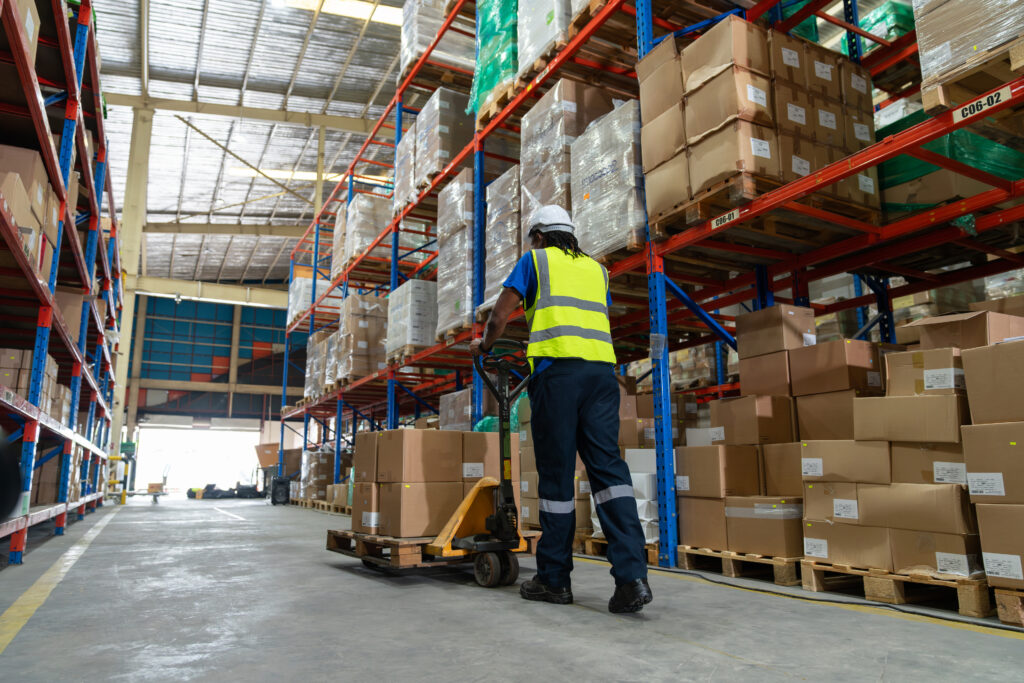
Retail is one of the fastest-moving sectors in the supply chain, shaped by customer expectations, unpredictable demand and the need for constant product availability. Whether supporting the smooth flow of goods from distribution centres to stores or ensuring online orders reach customers on time, logistics plays a defining role in retail performance.
Even a short delay in stock movement can lead directly to lost sales, reduced customer satisfaction and damage to brand reputation. For retailers competing in a market where customers expect immediate fulfilment, the ability to respond quickly and accurately is no longer optional. It is essential.
This long-form guide explains how retail logistics operates, the pressures that make the sector time-critical, the challenges created by multi-channel retailing and the growing importance of dedicated on-demand delivery in keeping shelves stocked and orders fulfilled.
Why Retail Logistics Is Highly Time-Sensitive
Retail operates on a rhythm dictated not by suppliers, but by customers. Every aspect of stock movement must align with opening hours, promotional events, e-commerce service levels and seasonal trading cycles.
Store replenishment schedules are tightly structured, especially for early-morning or overnight deliveries when shelves must be filled before customers arrive. E-commerce fulfilment is even more time-critical. Many customers expect same-day dispatch or next-day delivery, and poorly timed shipments can quickly lead to negative reviews or order cancellations.
Promotional periods add another layer of pressure. Campaigns are meticulously planned across print, digital and in-store channels, and stock must arrive precisely when marketing materials begin their rollout. Missing a promotional window often reduces campaign impact and restricts revenue potential.
Ultimately, timing influences everything. Slow, inaccurate or poorly coordinated logistics directly affects customer experience and store performance.
The Cost of Delays in Retail Logistics
To illustrate how delays affect retail operations, the table below outlines typical issues, their commercial impact and estimated financial implications.
Cost Impact of Retail Delays
| Issue | Impact | Estimated Cost |
| Late stock replenishment | Lost sales | £1,000 to £10,000 per hour |
| Incorrect delivery | Stocking inefficiencies | £500 to £3,000 per incident |
| Missed promotional materials | Reduced campaign impact | £1,000 to £15,000 |
| Slow e-commerce dispatch | Customer dissatisfaction | £50 to £200 per order |
Retailers operate on narrow margins. Delays ripple quickly across the business, affecting store revenue, operational costs and customer loyalty.
How the Retail Supply Chain Is Structured
Retail supply chains involve a complex network of suppliers, logistics partners and fulfilment operations. Each stage must work seamlessly for stock to move efficiently.
Typical components include:
- Suppliers and manufacturers producing or importing goods
- Regional distribution centres receiving and sorting stock
- Store delivery routes that supply individual locations
- E-commerce fulfilment hubs preparing online orders
- Reverse logistics systems handling returns and recycling
Retailers depend on predictable movement between these points. Any delay at one stage creates knock-on effects throughout the chain.
Key Logistics Challenges Faced by Retailers
Retail logistics is uniquely challenging because of its speed, scale and instability of demand. Several issues make planning and execution complex.
High SKU Volumes
Retailers manage thousands of product lines, often with unpredictable demand patterns. This diversity makes forecasting difficult and increases the need for flexible logistics.
Seasonal Spikes
Peak seasons such as Christmas, Black Friday and summer sales create intense pressure on distribution centres and transport networks. Retailers must scale up operations rapidly to meet demand.
Shelf Availability
Stockouts translate directly into missed revenue. Customers who cannot find a product in store will often choose a competitor or online alternative.
Multi-Channel Complexity
Retailers now serve customers through stores, websites, apps, click-and-collect services and third-party marketplaces. Each channel has its own timing and delivery expectations.
Promotion-Driven Surges
In-store campaigns or product launches require precise timing. Goods must arrive in line with advertising schedules or risk undermining the campaign.
These challenges demand logistics models with high flexibility, rapid response capabilities and unwavering reliability.
Why Dedicated On-Demand Delivery Is Becoming Essential for Retailers
Traditional multi-stop transport networks often struggle with the unpredictability of retail demand. Dedicated on-demand delivery provides an alternative that offers control, speed and accuracy.
Dedicated services allow retailers to:
Move stock rapidly when unexpected demand occurs
Replenish stores immediately when certain items run low
Transfer products between nearby stores
Respond faster to seasonal or event-driven fluctuations
Bypass depot congestion and unpredictable routing
Improve reliability for urgent or fragile items
Direct, non-stop routing ensures stock arrives precisely when needed, without cross-docking or warehouse delays. For many retailers, dedicated delivery acts as a pressure-release valve that supports both planned and reactive operations.
Types of Shipments Common in Retail Logistics
Retail logistics handles a diverse mix of product categories, each with unique requirements:
Clothing and fashion items requiring careful packing
Electronics with high-value security needs
Cosmetics and fragrances requiring protected packaging
Home goods and accessories in mixed carton loads
Food items needing timely transport or temperature control
Promotional materials including signage and seasonal displays
Point-of-sale units used during product launches
E-commerce parcels for direct customer delivery
The nature of the goods determines the delivery frequency, vehicle type and handling precautions required.
Store Replenishment and the Importance of Predictable Deliveries
Store replenishment is the backbone of retail operations. It requires a coordinated relationship between forecasting, warehousing and transport.
Effective replenishment depends on:
Accurate demand forecasting to avoid shortages
Consistent delivery windows, often early morning or late at night
Real-time communication between drivers and stores
Reliable transit times to support shelf availability
Many retailers operate within narrow replenishment windows. If goods do not arrive on time, staff cannot prepare store displays, leading to empty shelves when customers arrive.
Retail inventory cycles and the cost of stockouts
Retail inventory operates on tightly controlled cycles that balance availability, cash flow and demand forecasting. For many retailers, stock levels are planned daily or weekly, with replenishment schedules aligned to sales velocity, promotions and seasonal demand. When these cycles are disrupted, the impact is immediate and measurable.
Stockouts are one of the most costly failures in retail operations. When a product is unavailable on the shelf or online, the sale is often lost entirely rather than delayed. Customers may substitute with a competitor’s product, abandon the purchase or lose confidence in the retailer’s reliability. Over time, repeated availability issues can erode brand loyalty and reduce lifetime customer value.
The financial impact extends beyond lost sales. Stockouts can disrupt promotional campaigns, reduce the effectiveness of marketing spend and create imbalances in inventory planning. High-velocity SKUs going out of stock can also distort demand data, making forecasting less accurate and increasing the risk of over- or under-ordering in subsequent cycles.
Rapid stock replenishment plays a critical role in mitigating these risks. By shortening the time between reorder triggers and product availability, retailers can maintain on-shelf presence, protect revenue during peak trading periods and reduce the need for excess safety stock. Faster replenishment also supports healthier inventory turns, freeing up working capital while maintaining service levels across stores and fulfilment channels.
E-Commerce Fulfilment and Last-Mile Challenges
E-commerce has become a dominant sales channel, bringing new logistics expectations.
Modern online fulfilment requires:
Same-day or next-day dispatch capability
Flexible courier availability to manage volume peaks
Fast, accurate order picking and packaging
Secure handling for high-value products
Streamlined return processes that minimise customer friction
Customer expectations are high. Many shoppers now expect immediate dispatch updates, precise delivery windows and simple return options. Retailers failing to meet these expectations risk increased customer service demand and reduced retention.
Case Example: Improving Stock Availability Through Dedicated Delivery
A major UK retailer frequently faced stock shortages due to delays in multi-stop courier networks. High-demand items often arrived late, missing replenishment schedules and leaving shelves empty during busy periods. After switching to a dedicated on-demand delivery model, the retailer achieved a 99.2 per cent on-time delivery rate. Stockouts fell by 41 per cent and promotional launches became more consistent across all store locations. This resulted in improved sales performance and greater customer satisfaction.
Retail service level agreements and KPIs that matter
Retail logistics performance is measured against a distinct set of service levels and key performance indicators that directly influence sales, customer satisfaction and operational efficiency. Unlike general freight movements, retail replenishment is judged by its impact on availability rather than delivery completion alone.
One of the most critical metrics is on-shelf availability, which reflects whether products are physically available for purchase when customers expect them. This is closely linked to fill rate, measuring the percentage of orders delivered in full and on time, and perfect order fulfilment, which combines accuracy, condition and timeliness into a single performance indicator.
Retailers also monitor lead time variability, particularly during promotions or peak trading periods. Even small fluctuations in delivery timing can result in empty shelves or delayed online fulfilment. For omnichannel retailers, this is compounded by the need to balance store replenishment with ecommerce fulfilment, click-and-collect and ship-from-store operations.
Clear service level agreements help retailers manage these pressures. Defined collection windows, delivery timeframes and escalation procedures provide predictability and allow buying, merchandising and store teams to plan with confidence. When logistics performance aligns with retail KPIs, replenishment becomes a strategic advantage rather than a reactive cost centre.
By supporting consistent delivery performance and rapid response to unexpected demand spikes, well-defined logistics SLAs help retailers protect availability, optimise inventory levels and deliver a reliable customer experience across every channel.
Conclusion
Retail logistics is a complex, fast-moving environment where consistent stock availability directly influences customer experience and sales performance. By embracing dedicated on-demand delivery, enhanced forecasting tools and efficient supply chain management practices, retailers can react quickly to fluctuations in demand and maintain strong operational continuity.
Effective logistics is not simply a support function. It is a central part of retail strategy, shaping how well a business can serve its customers and compete in a demanding marketplace.
Other News
Quickline Logistics Partners with North West Cancer Research
At Quickline Logistics, we believe being a successful business is about more than moving goods…
What Is the Difference Between Haulage and Freight Forwarding?
The terms haulage and freight forwarding are often confused in the transport industry, but they…

What Industries Rely Most on Haulage Companies?
Haulage is critical national infrastructure. Almost every product used, consumed, built, or sold in the…

Hello! Welcome to Quickline Logistics. How can I assist you today?